The Beauty of Ruaha National Park: Where Tanzania’s Wild Heart Comes Alive
There are safari destinations where you go to see wildlife.
And then there are places where the entire landscape becomes part of the experience.
Ruaha National Park is one of those places.
Located in south-central Tanzania, Ruaha is a vast wilderness of approximately 20,226 square kilometres, making it Tanzania’s second-largest national park according to TANAPA. Its landscape combines open savannah, ancient baobabs, rocky outcrops, miombo woodlands, seasonal rivers and the life-giving Great Ruaha River.
Ruaha does not simply show you Africa.
Ruaha makes you feel Africa.
A Landscape That Takes Your Breath Away
One of the first things you notice in Ruaha is the incredible scenery.
The park is not one endless landscape. It is a beautiful mixture of open plains, rocky hills, river valleys, woodland and enormous baobab trees.
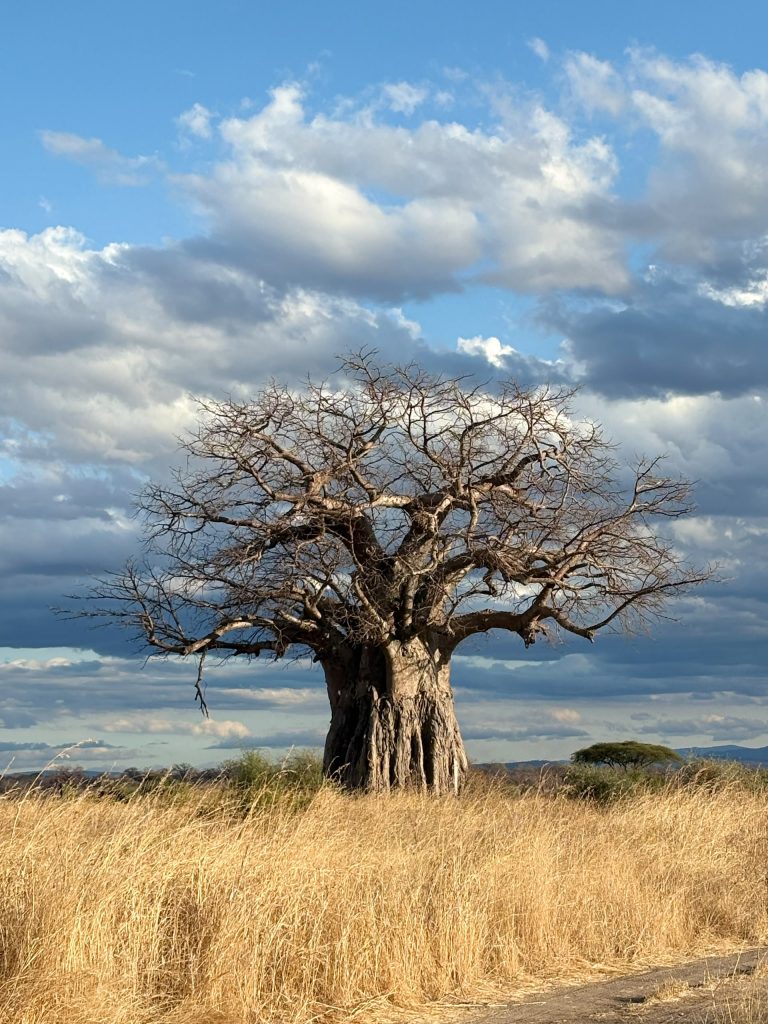
Ancient baobabs rise above the golden savannah, while granite kopjes and rocky ridges create dramatic viewpoints across the wilderness.
During the early morning, the soft light touches the grasslands and turns the landscape golden.
In the evening, the setting sun creates long shadows beneath the baobabs.
For photographers, these landscapes are almost as exciting as the wildlife itself.
The Great Ruaha River: The Lifeline of the Park
The Great Ruaha River is one of Ruaha’s most important natural features.
It provides vital water for wildlife and creates a remarkable ecosystem along its course. During the dry season, permanent pools and remaining water sources become particularly important to elephants, predators, birds and other animals.
Imagine sitting quietly near the river and watching elephants approach the water.
You may hear birds calling from the trees.
You may see crocodiles resting along the riverbank.
And somewhere in the distance, a lion may be moving through the grass.
This is the kind of moment that makes a Ruaha safari unforgettable.
The Beauty of Ruaha’s Elephants
Ruaha is particularly famous for its elephants.
During the dry season, elephants can gather around rivers and water sources, creating spectacular wildlife scenes. TANAPA highlights these dry-season concentrations as one of the park’s major attractions.
Watching a family of elephants move across the landscape is an experience that stays with you.
You may see adults protecting young calves, elephants feeding beneath trees, or herds moving toward water.
The combination of elephants and Ruaha’s enormous baobabs creates some of the most memorable safari scenes in southern Tanzania.
A Land of Lions and Other Predators
Ruaha is also remarkable for its predators.
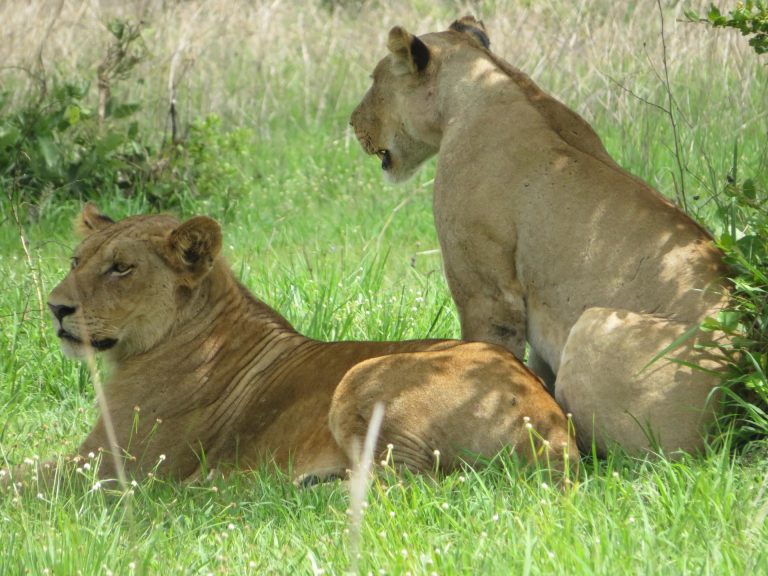
The park supports large lion prides and populations of leopard, cheetah and spotted hyena. African wild dogs can also be found in the park, particularly in its more remote areas.
A morning game drive can suddenly become exciting when your guide discovers fresh tracks.
Perhaps a pride of lions is resting under a tree.
Perhaps a leopard is hidden among woodland vegetation.
Or perhaps you are lucky enough to encounter a pack of African wild dogs moving through the wilderness.
Every game drive carries an element of surprise.
Rare and Special Wildlife
Ruaha’s location at the meeting point of eastern and southern African ecological influences contributes to its remarkable diversity.
The park is known for species such as greater kudu, sable and roan antelope, alongside its more familiar African wildlife.
For wildlife enthusiasts, this diversity makes Ruaha particularly interesting.
You are not simply looking for the Big Five.
You are exploring an ecosystem where many different species interact within a huge natural landscape.
A Paradise for Bird Lovers
Ruaha is also an exceptional destination for birdwatching.
TANAPA records more than 570 bird species in the park.
The combination of river systems, woodland, savannah and rocky areas creates habitats for a remarkable variety of birds.
Birdwatchers can look for colourful bee-eaters, kingfishers, rollers, hornbills and birds of prey.
For photographers, the birdlife adds another dimension to the safari experience.
The Feeling of Wilderness
Perhaps the greatest beauty of Ruaha is something you cannot easily photograph.
It is the feeling of space.
Ruaha is enormous.
The landscape stretches into the distance, and the combination of its size and relatively light visitor traffic can create a strong sense of wilderness. TANAPA describes the park as an outstanding wilderness area and highlights its remote character.
There are moments when you can simply stop the vehicle, switch off the engine and listen.
The wind moves through the grass.
Birds call from the trees.
An elephant walks in the distance.
For a few minutes, there is nothing between you and the African wilderness.
Ruaha Is More Than a Game Drive
A safari in Ruaha does not have to be only about driving around looking for animals.
Depending on the current regulations and authorized arrangements, visitors can enjoy activities such as guided walking experiences, birdwatching, photography and sundowners. TANAPA notes that walking safaris operate in designated areas with authorized guides.
Walking can change the way you experience the environment.
Instead of focusing only on large animals, you begin noticing tracks, insects, plants, birds and smaller details that are easy to miss from a vehicle.
The Magic of a Ruaha Sunset
There is something special about sunset in Ruaha.
The golden light falls across the savannah.
Baobab trees become silhouettes.
The sky changes colour.
And the sounds of the wilderness continue around you.
A carefully planned sundowner can become one of the most memorable moments of the entire safari.
Why Photographers Love Ruaha
Ruaha brings together three things photographers love:
Wildlife.
Landscape.
Light.
An elephant beneath a baobab.
A lion against golden grass.
A giraffe crossing an open plain.
Birds along the river.
Rocky hills beneath an African sunset.
These are not simply photographs.
They become memories of a journey.
When Is Ruaha at Its Most Beautiful?
Ruaha changes with the seasons.
During the dry season, wildlife becomes easier to locate around reliable water sources, while the landscape takes on golden and earthy colours.
The green season transforms the park with fresh vegetation and dramatic scenery, and it can be particularly rewarding for birdwatching and photography.
The best time therefore depends on the type of experience you want.
Why Ruaha Should Be on Your Tanzania Safari List
Ruaha offers a combination that is difficult to ignore:
– Vast wilderness
– Incredible elephants
– Lions and other predators
– African wild dogs
– Greater kudu, sable and roan
– Ancient baobab trees
– The Great Ruaha River
– More than 570 recorded bird species
– Dramatic landscapes
– Exceptional photography
– A peaceful wilderness atmosphere
And perhaps most importantly, Ruaha gives you the opportunity to experience a different side of Tanzania.
The Beauty of Ruaha Is the Experience
You may remember the lion you photographed.
You may remember the elephants beside the river.
You may remember the giant baobab.
But years later, you may find that what you remember most is the feeling.
The silence.
The enormous landscape.
The golden light.
The sound of birds.
The sense that you were somewhere truly wild.
That is the beauty of Ruaha National Park.
Discover Ruaha with Clustered Africa Safaris
At Clustered Africa Safaris, we believe Ruaha deserves to be experienced slowly, thoughtfully and with enough time to appreciate both its wildlife and its landscapes.
Whether you are planning a short Ruaha safari from Iringa, a romantic getaway, a family adventure, a wildlife photography trip, or a longer Southern Circuit safari, we can help you build an itinerary around your interests and budget.
Explore the elephants.
Follow the river.
Discover the baobabs.
Watch the sunset.
Come and experience the wild beauty of Ruaha National Park.