Great Migration Safari Tanzania
Witness Nature’s Greatest Wildlife Spectacle
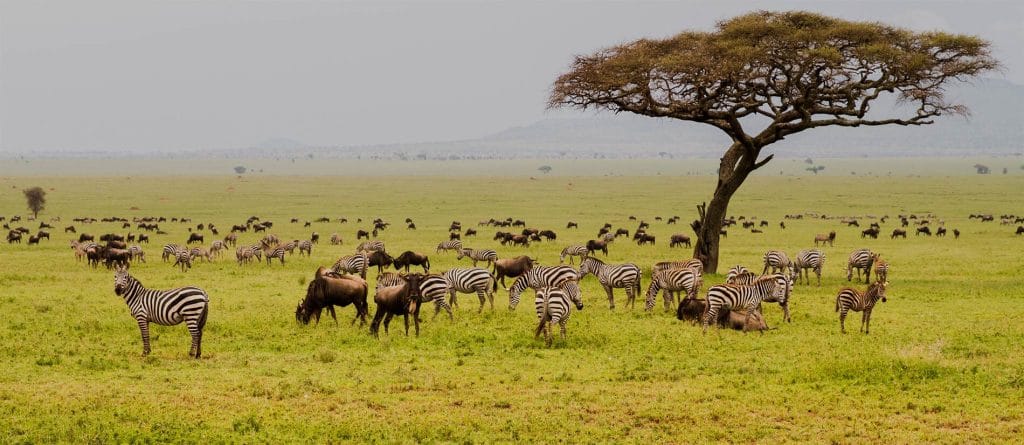
Experience the breathtaking Great Migration in Tanzania’s Serengeti National Park. Watch millions of wildebeest, zebras and gazelles journey across the vast plains in search of fresh grazing while predators follow closely behind.
What is Great Migration
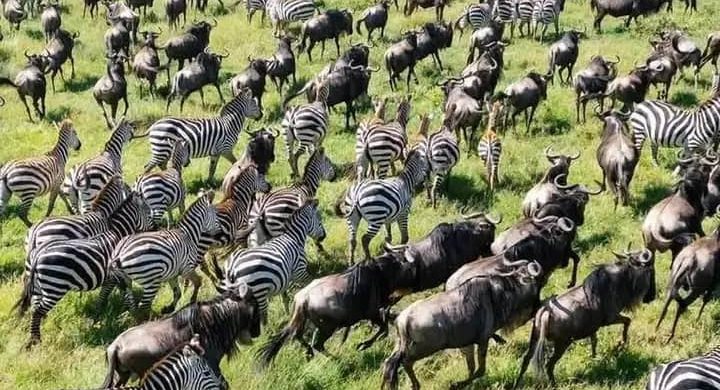
Known as one of the most extraordinary wildlife events on Earth, the Great Migration draws travelers from all over the world. Annually, over two million wildebeest, zebras, and gazelles travel across the vast Serengeti ecosystem in Tanzania and into Kenya’s Maasai Mara. Because this incredible journey is driven by seasonal rains, herds constantly move in search of fresh grazing land. However, the trek is full of danger as animals face deep river crossings, hungry predators, and unpredictable weather conditions. Ultimately, witnessing this raw natural phenomenon is considered the highlight of any African safari experience.
Why You Should Experience the Great Migration
Massive Wildlife Movement
Witness over two million animals moving across the Serengeti plains
Dramatic River Crossings
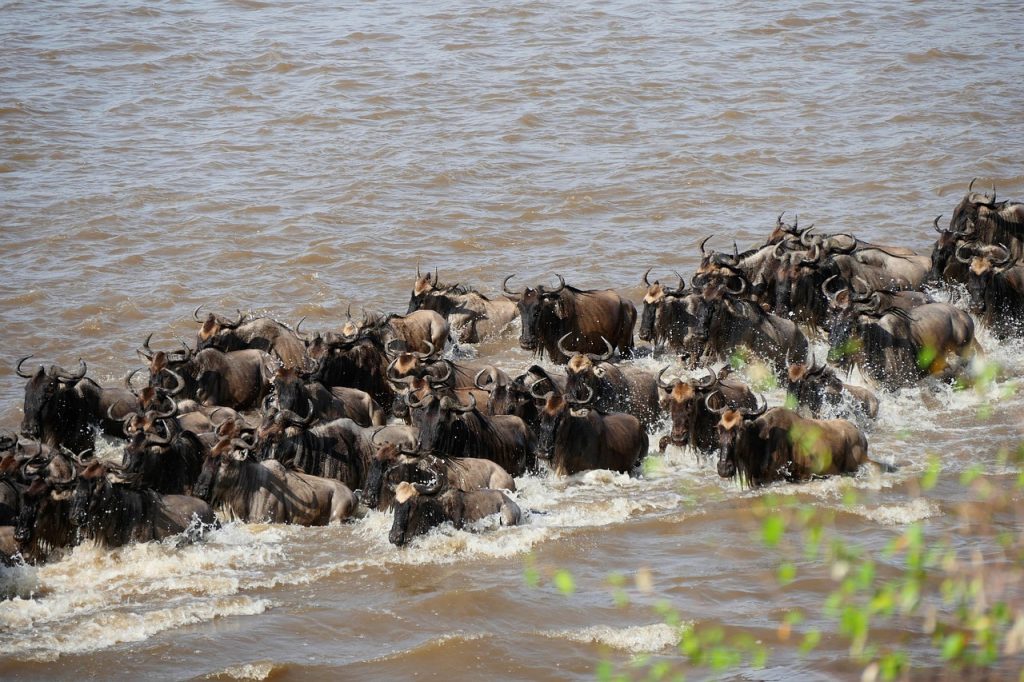
Watch wildebeest cross crocodile-filled rivers in one of nature’s most dramatic evenets
Predator Action
Lions, cheetahs, leopards and hyenas follow the herds, creating incredible wildlife viewing opportunities
World-Class Photography
Capture unforgettable moments and breathtaking landscapes
January – March (Calving Season)
During these months, the massive herds gather in the Southern Serengeti and Ndutu areas. In addition, this season marks the daily birth of thousands of wildebeest calves, attracting active predators.
April – May (The Central Movement)
As the rains stop, the herds gradually move north through the Central Serengeti. Consequently, this period offers exceptional wildlife viewing alongside fewer tourist crowds.
June – July (Grumeti River Crossings)
Next, the herds head toward the Western Corridor. Here, lucky visitors can witness dramatic and intense Grumeti River crossings.
August – October (Mara River Crossings)
Meanwhile, the iconic Mara River crossings unfold in Northern Serengeti. For this reason, it is widely regarded as the peak time for migration safaris.
November – December (The Return South)
Finally, the herds trek back southward across Serengeti, completing the annual life cycle.
Southern Serengeti & Ndutu
Best for calving season
Central Serengeti
Excellent year-round wildlife viewing.
Western Corridor
Famous for Grumeti River crossings.
Northern Serengeti
Home to the dramatic Mara River crossings.
5-Day Migrate Migration Safari
Perfect for travelers with limited time
7-Day Great Migration Safari
A balanced safari experience covering multiple migration zones
Highlights
• Tarangire National Park
• Central Serengeti
• Northern Serengeti
• Ngorongoro Crater
10-Days Great Migration Safari
The ultimate migration adventure
Highlights
• Tarangire
• Serengeti
• Mara River Area
• Ngorongoro
• Cultural Experience
Why Travel With Us?
✔ Local Tanzania Safari Experts
✔ Professional Safari Guides
✔ Customized Itineraries
✔ Reliable Safari Vehicle
✔ Competitive Pricing
✔ Personalize Service
✔Authentic Wildlife expriences
When is the best time to see the Great Migration?
The migration can be seen throughout the year, but July to October is famous for Mar Rive crossing.
Where does the Great Migration Take place?
The Migration occurs primarily in Serengeti National Park and extends into Kenya’s Maasai Mara.
How many animals participate in the migration?
In total, more than two million wildebeests, zebras, and gazelles participate in this annual movement.
How far in advance should I book a Great Migration safari?
It is recommended to book 6 to 12 months in advance, especially if you plan to travel during the peak river crossing season (July–October) or calving season (January–March), as prime lodge availability fills up quickly.
Is seeing the Mara River crossing guaranteed?
While river crossings are a natural and unpredictable phenomenon guided by wildlife instincts and weather, staying 3 to 4 days in the Northern Serengeti during peak season significantly increases your chances of witnessing a crossing.
What is the difference between a game drive and a migration tracking safari?
A regular game drive covers general wildlife across national parks, whereas a migration tracking safari specifically follows the seasonal movements, herds, and predator activity associated with the wildebeest migration.
Is a Great Migration safari suitable for families with children?
Yes, it is an unforgettable educational experience for families. We recommend private vehicle safaris for families to allow flexibility in schedule and travel pace.
Should I combine the Great Migration with other destinations?
Absolutely! Most travelers combine Serengeti migration tracking with the Ngorongoro Crater, Tarangire National Park, or a relaxing beach extension in Zanzibar.
Ready to witness one of the world’s most spectacular wildlife events?
Contact Clustered Africa Safaris today and let our team create the perfect Great migration Safari itinerary for you