African Animal Migration: Where and When to See Wildlife in Tanzania
Africa is home to some of the world’s most remarkable wildlife experiences, and Tanzania offers one of the best places to witness animals moving across vast natural landscapes.
When people hear about animal migration in Africa, they often think of thousands of wildebeest crossing the Serengeti. But the story is bigger than one spectacular river crossing. Tanzania’s wildlife migration is a year-round natural cycle influenced by rainfall, fresh grass, water and the movement of large herds.
If you are planning a Tanzania safari from the United States, Canada, the UK, Australia or elsewhere, understanding where the animals are and when to visit can help you choose the right safari itinerary.
What Is the African Animal Migration?
African animal migration is the seasonal movement of wildlife across large areas in search of fresh grazing, water and suitable conditions.
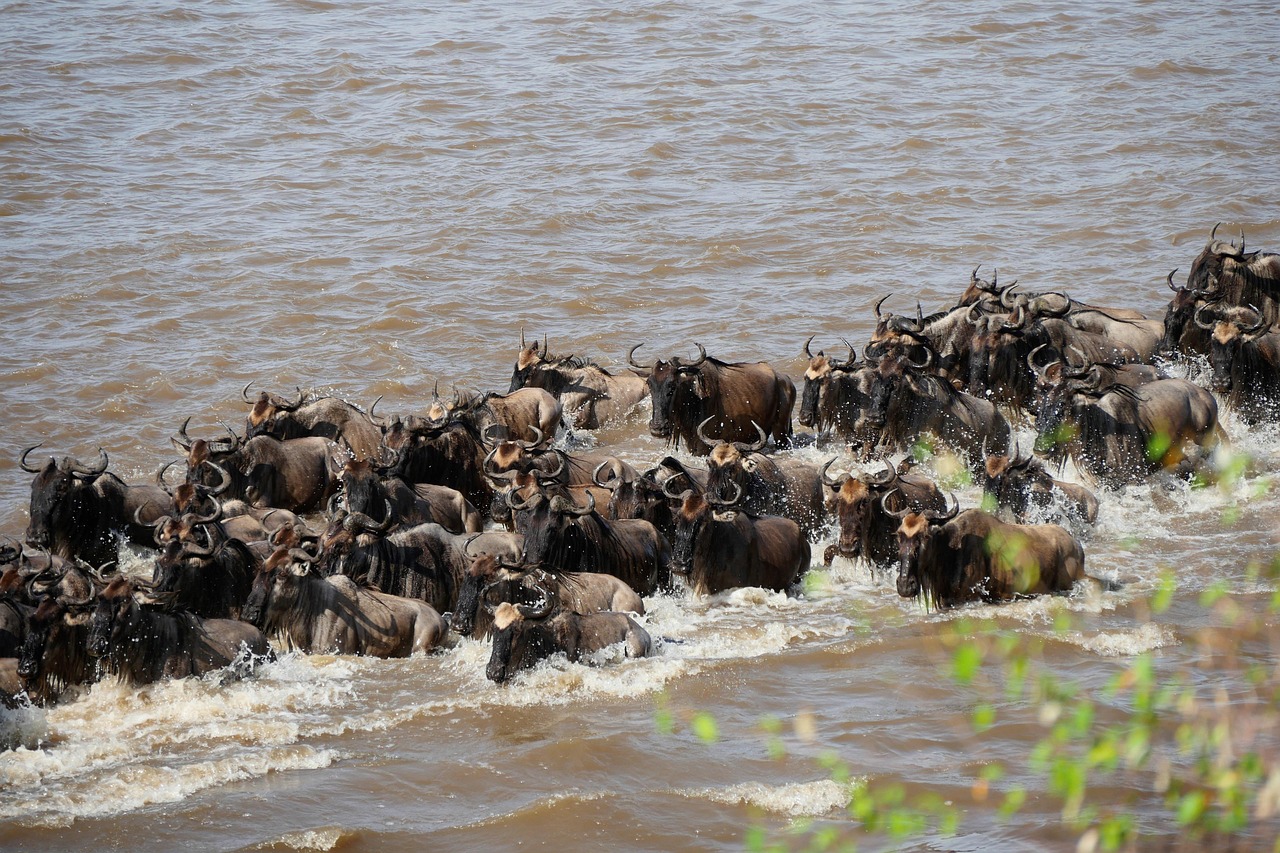
The most famous migration in Tanzania is the Great Wildebeest Migration, involving wildebeest, zebras and other grazing animals moving through the Serengeti ecosystem and, at certain times of the year, into Kenya’s Maasai Mara.
It is one of nature’s most extraordinary wildlife spectacles.
Which Animals Take Part in the Migration?
The Great Migration is best known for:
– Wildebeest
– Zebras
– Thomson’s gazelles
– Other grazing animals
The movement of these herds also attracts predators such as:
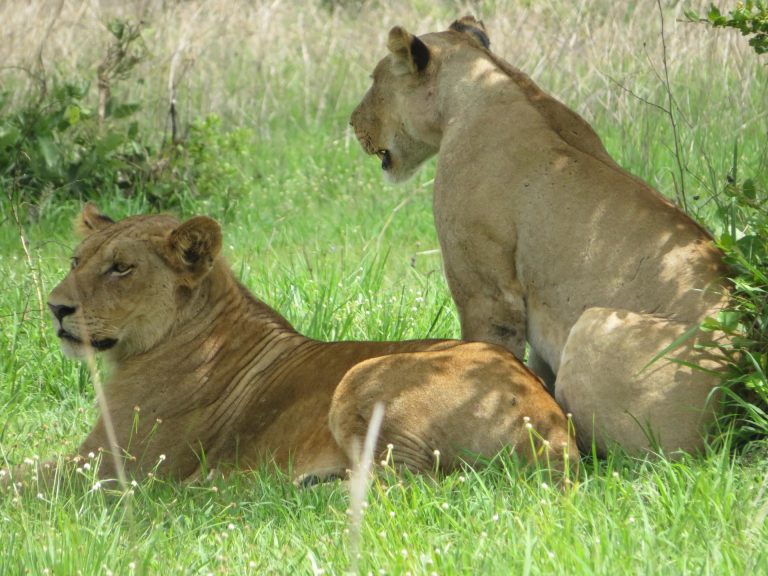
– Lions
– Cheetahs
– Leopards
– Hyenas
– African wild dogs in some areas
This creates incredible opportunities for wildlife viewing and photography.
Where Can You See the Migration in Tanzania?
Serengeti National Park
Serengeti is the main destination for experiencing the Great Migration in Tanzania.
The park offers enormous open plains, abundant wildlife and excellent opportunities for game drives. Depending on the time of year, different areas of the Serengeti can offer very different migration experiences.
Ngorongoro Conservation Area
The Ngorongoro ecosystem is closely connected to the wider migration cycle.
The area is also famous for the Ngorongoro Crater, where visitors can experience excellent wildlife viewing in a completely different landscape.
Combining Serengeti and Ngorongoro can therefore create a varied Tanzania safari experience.
When Is the Best Time to See the Migration?
There is no single month that guarantees one specific migration experience every year because wildlife follows rainfall and environmental conditions.
However, different periods offer different experiences.
January to March: Calving Season
This period is associated with the calving season in the southern Serengeti and Ndutu area.
Large numbers of wildebeest give birth, attracting predators and creating exciting wildlife-viewing opportunities.
For travelers interested in newborn animals and predator activity, this can be an excellent time to visit.
April to May: Green Season
The landscape becomes lush following the rains.
There can be fewer visitors in some areas, making this an attractive period for travelers who prefer greener scenery and potentially quieter safari experiences.
June to July: Movement Toward the North
As conditions change, large herds begin moving northward through the Serengeti.
This period can provide spectacular wildlife viewing as the migration progresses across the ecosystem.
July to October: Northern Serengeti
The northern Serengeti is often associated with one of the most famous parts of the migration: river crossings.
However, river crossings are natural events and cannot be guaranteed on a particular day. Wildlife does not follow a tourist timetable.
November to December: Return South
Following the rains, the herds begin moving back toward the southern Serengeti.
This continues the natural cycle and provides another opportunity to experience the migration.
Is the Migration Only About Wildebeest?
No.
While wildebeest are the stars of the Great Migration, the wider Serengeti ecosystem supports an extraordinary range of wildlife.
A Tanzania safari may also give you opportunities to see elephants, giraffes, buffalo, lions, cheetahs, leopards, hippos and many species of birds.
This means you can enjoy an excellent wildlife safari even if you do not see a dramatic river crossing.
Can You See the Great Migration and the Big Five on the Same Safari?
Yes.
Serengeti is one of Tanzania’s important destinations for Big Five viewing, and combining the migration season with game drives can create an exceptional safari experience.
However, wildlife is wild and sightings are never guaranteed.
A good safari is not only about checking animals off a list. It is about experiencing the ecosystem, landscapes and unpredictable moments that make each game drive different.
How Many Days Do You Need for a Migration Safari?
For travelers flying from North America, Europe or Australia, we generally recommend allowing enough time to explore rather than trying to rush through Tanzania.
A short safari can focus on Serengeti and nearby destinations, while a longer itinerary can combine:
– Serengeti
– Ngorongoro Crater
– Tarangire
– Lake Manyara
– Zanzibar
The ideal number of days depends on your interests, arrival and departure times, budget and the areas you want to visit.
Is a Tanzania Migration Safari Suitable for First-Time Visitors?
Absolutely.
Tanzania is an excellent choice for a first African safari because it offers a combination of spectacular wildlife, diverse landscapes and well-known safari destinations.
First-time visitors often combine Serengeti with Ngorongoro because the two destinations provide different experiences.
For travelers looking for a quieter and more remote experience, Southern Tanzania can also be considered.
How Much Does a Tanzania Migration Safari Cost?
There is no single price for a Tanzania migration safari.
The total cost depends on factors such as:
– Number of travelers
– Number of safari days
– Accommodation level
– Travel season
– Private or shared safari
– Safari vehicle
– Park fees
– Activities
– Domestic flights, if required
A private safari with luxury accommodation will naturally cost more than a budget or group safari.
The best approach is to build the itinerary around your travel style and budget rather than choosing a safari based only on price.
What Should You Expect on a Migration Safari?
A migration safari is not a wildlife show with guaranteed events.
You may spend hours watching herds move across the plains. You may encounter predators hunting. You may see hundreds or thousands of animals together. On another day, you may experience a quiet landscape with only a few animals nearby.
That unpredictability is part of what makes a safari special.
Why Choose Clustered Africa Safaris for Your Tanzania Safari?
At Clustered Africa Safaris, we help travelers experience Tanzania through personalized safari itineraries designed around their interests, travel dates and budget.
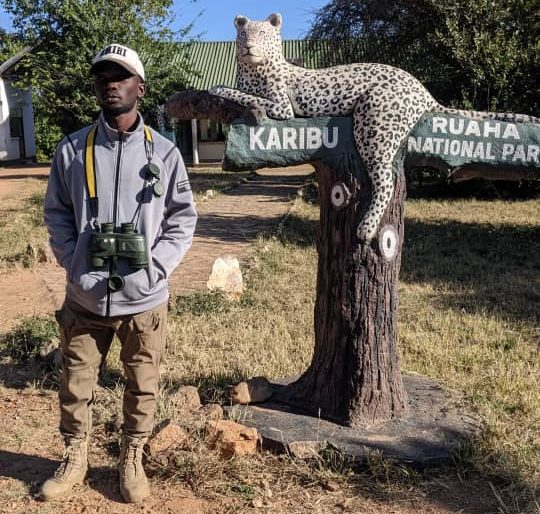
Whether your dream is to witness the Great Migration in the Serengeti, explore the Ngorongoro Crater, discover the wilderness of Ruaha or experience Southern Tanzania, we can help you plan your journey.
Our goal is to make planning your Tanzania safari simple, personal and memorable.
Ready to Experience the African Animal Migration?
Planning a Tanzania safari can feel overwhelming when you are thousands of miles away.
Tell us your preferred travel dates, number of travelers, interests and approximate budget, and we can help you plan a Tanzania safari that fits your travel style.
Plan Your Tanzania Safari with Clustered Africa Safaris.
Get a Free Safari Quote
Frequently Asked Questions
What is the best month to see the Great Migration in Tanzania?
There is no single best month for the entire migration because the herds move throughout the year. The best period depends on which part of the migration you want to experience.
Where is the Great Migration in Tanzania?
The migration moves through different parts of the Serengeti ecosystem during the year. Southern, central, western and northern Serengeti can offer different experiences depending on the season.
Can I see the Great Migration without going to Kenya?
Yes. A large part of the Great Migration takes place in Tanzania’s Serengeti ecosystem.
Are river crossings guaranteed?
No. River crossings are natural events and cannot be guaranteed on a particular date or at a particular location.
Can I combine Serengeti with Ngorongoro?
Yes. Serengeti and Ngorongoro are commonly combined in Tanzania safari itineraries and provide very different wildlife and landscape experiences.
Can I combine a Tanzania safari with Zanzibar?
Yes. Many international travelers combine a Tanzania wildlife safari with a relaxing beach holiday in Zanzibar.
Is the Great Migration worth traveling to Tanzania for?
For many wildlife enthusiasts, it is an extraordinary experience. However, Tanzania offers excellent wildlife viewing throughout the year, so your safari should be planned around your interests rather than migration alone.