How to Plan a Tanzania Safari: A Complete Guide for First-Time Visitors
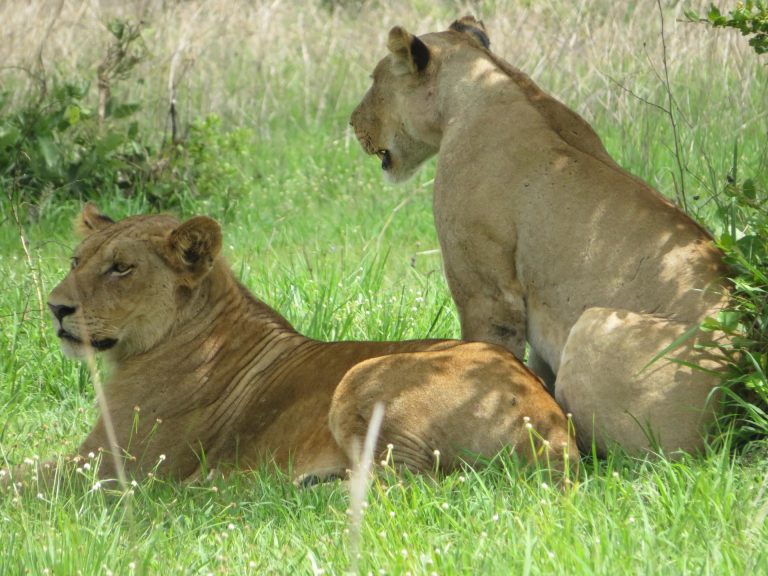
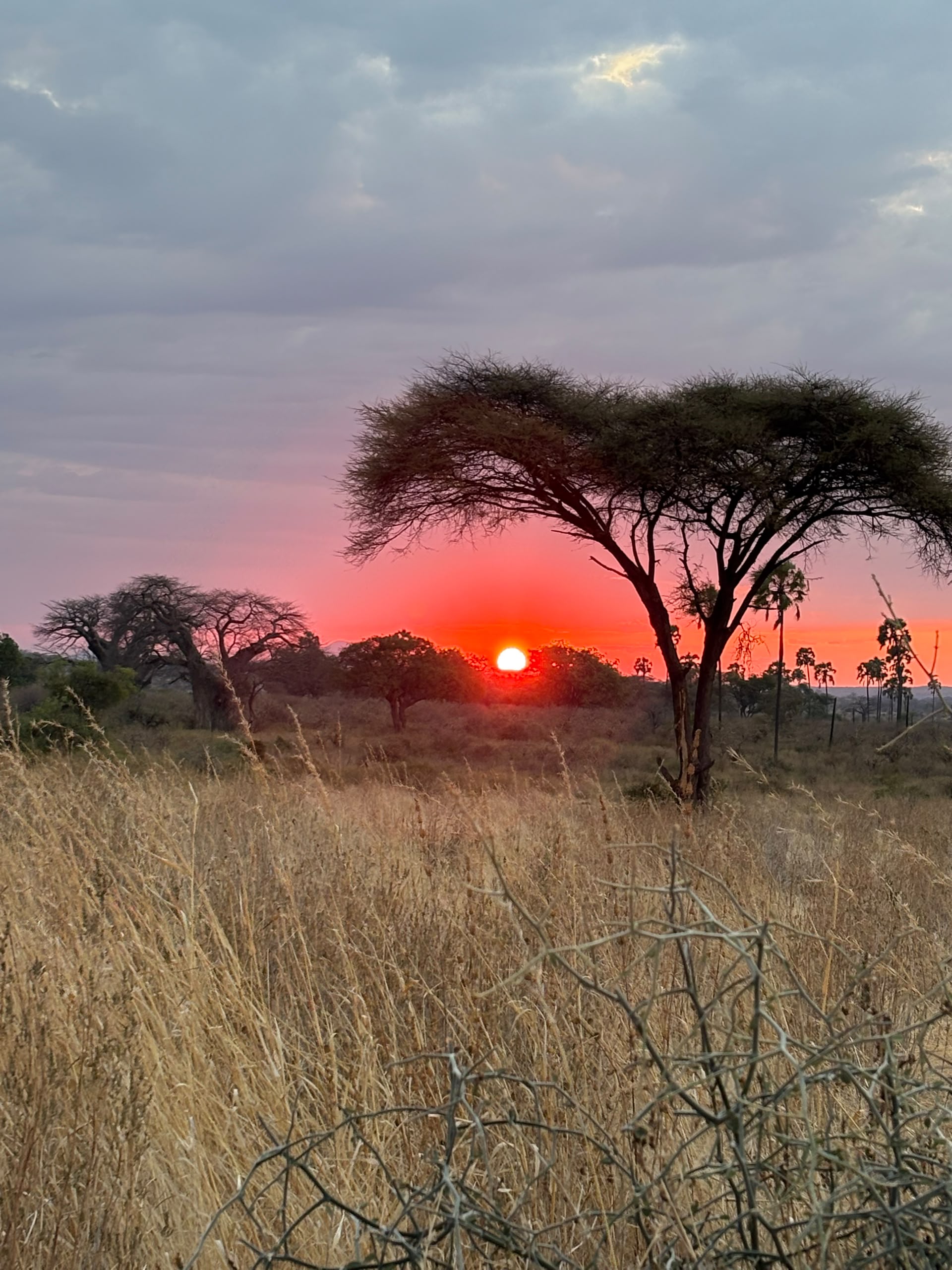
Planning your first safari in Tanzania is an exciting experience. You may imagine elephants walking across the savannah, lions resting beneath acacia trees, giraffes moving through golden grasslands, and unforgettable sunsets over the African wilderness.
But before your adventure begins, you probably have some questions.
Which national parks should you visit? How many days do you need? What is the best time to travel? How much should you budget?
This guide explains how to plan a Tanzania safari and choose an experience that matches your interests, travel style, and budget.
1. Choose the Right Safari Destination
Tanzania has several outstanding national parks, and each offers a different experience.
Your choice should depend on the wildlife you want to see, how much time you have, and where your journey begins.
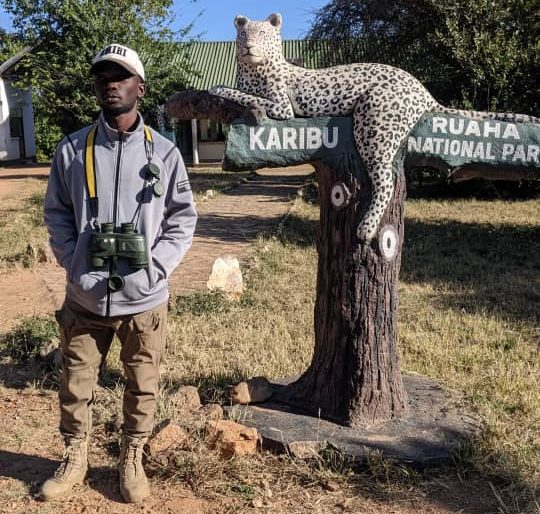
Ruaha National Park
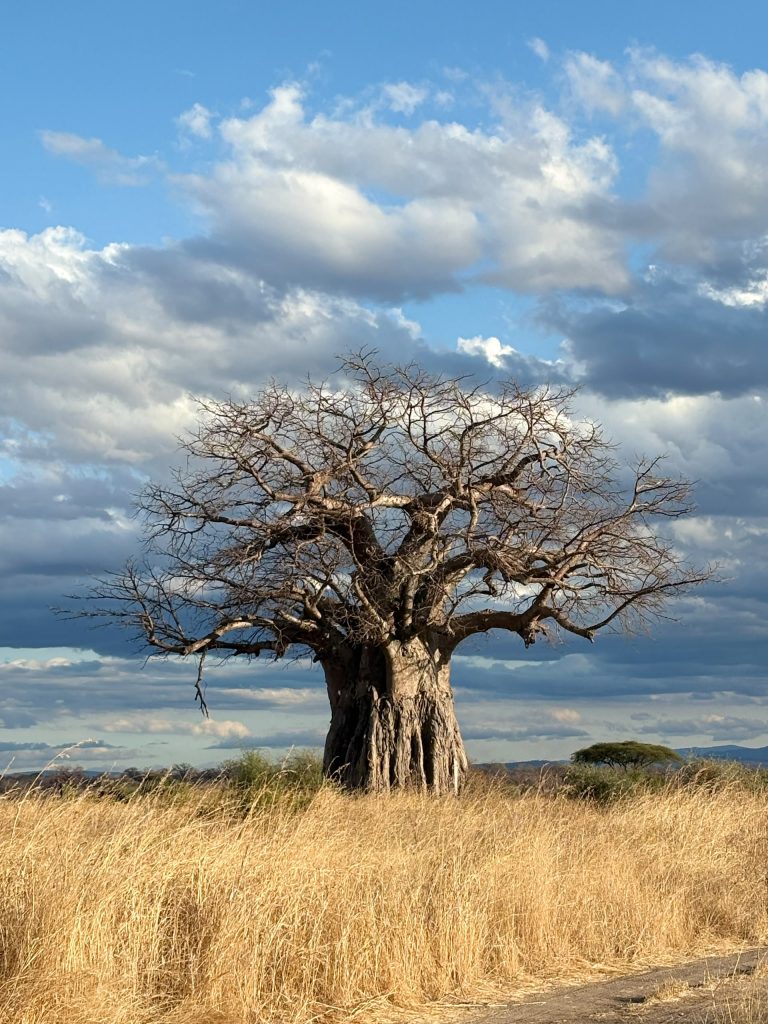
Ruaha is an excellent choice for travelers who love vast wilderness, elephants, lions, baobab trees, and dramatic landscapes.
Located in southern Tanzania, it is particularly appealing to visitors seeking a safari away from some of the busiest tourist routes.
Nyerere National Park
Nyerere offers a different kind of safari, combining wildlife viewing with beautiful river landscapes and opportunities for boat safaris.
It is a wonderful option for travelers who want to experience nature from both land and water.
Mikumi National Park
Mikumi can be a practical choice for travelers looking for a shorter safari, particularly those traveling from the Dar es Salaam area.
Its open landscapes offer opportunities to see elephants, giraffes, zebras, buffaloes, lions, and other wildlife.
Serengeti National Park
Serengeti is world-famous for its vast plains, predators, and the Great Wildebeest Migration.
If witnessing the migration is one of your main goals, research the seasonal movement of the herds before choosing your travel dates.
Travel tip: Do not choose a park simply because it is famous. Choose the destination that offers the experience you want.
2. Decide How Many Days You Need
The number of days available will influence your entire itinerary.
– 2–3 days: Focus on one main destination and minimize unnecessary travel.
– 4–6 days: Consider exploring one park in greater depth or combining two destinations where practical.
– 7–10 days: You can plan a more varied safari with several parks, depending on distances and your preferred pace.
– 10 days or more: You may have time to combine a safari with other experiences, such as a Zanzibar beach holiday.
Remember that travel between parks can take several hours. A good itinerary balances time on the road with time enjoying the wilderness.
3. Set a Realistic Safari Budget
A Tanzania safari can be planned at different price levels, from budget-friendly arrangements to luxury experiences.
Your total cost may include:
– National park and conservation fees
– Safari vehicle and guide
– Accommodation
– Meals and drinking water
– Transfers or domestic flights
– Optional activities
– Travel insurance and international flights, where applicable
The final price depends on your travel dates, number of travelers, accommodation category, transportation, and itinerary.
To make your budget go further, consider visiting fewer parks, choosing comfortable budget or mid-range accommodation, and traveling by road when practical.
Do not focus only on finding the cheapest package. Make sure you understand what is included and whether the operator can deliver the experience you expect.
4. Choose the Best Time to Visit Tanzania
Tanzania offers rewarding safari experiences throughout much of the year, but seasonal conditions affect wildlife viewing and scenery.
The dry season is popular for wildlife viewing in many parks because animals may concentrate around reliable water sources.
The greener months can offer lush landscapes, excellent photographic opportunities, and rewarding birdwatching.
For the Great Wildebeest Migration, the best location depends on the time of year and the movement of the herds.
Before booking, explain your interests to your safari operator so that your itinerary matches the season.
5. Select the Right Accommodation
Accommodation is an important part of your safari experience.
You may choose from budget camps, tented camps, comfortable lodges, mid-range properties, and luxury safari lodges.
When comparing options, consider:
– Distance from the park entrance or wildlife areas
– Meal arrangements
– Room facilities
– Safety and comfort
– Transport arrangements
– Whether activities are included in the price
A more expensive lodge is not automatically the best choice for every traveler. The right accommodation is one that suits your budget and supports the safari experience you want.
6. Decide Between a Private and Shared Safari
A private safari gives you more flexibility over your itinerary, departure times, and wildlife interests.
It can be particularly suitable for couples, families, photographers, and small groups who want a more personalized experience.
A shared safari can reduce the cost per person if suitable arrangements are available and you are comfortable traveling with other visitors.
Ask about group size, vehicle arrangements, departure dates, and exactly what is included before making your decision.
7. Travel Responsibly
A great safari respects both wildlife and local communities.
Choose responsible tourism practices by following your guide’s instructions, keeping a respectful distance from animals, avoiding litter, and supporting legitimate local businesses.
Never pressure a guide to approach wildlife dangerously just to obtain a photograph.
Responsible travel helps protect the natural environment that makes Tanzania such a remarkable destination.
8. Pack for Your Safari
You do not need to bring your entire wardrobe. Practical items are usually best.
Consider packing:
– Lightweight, comfortable clothing
– A warm layer for early mornings
– Comfortable walking shoes
– A hat and sunglasses
– Sunscreen and insect repellent
– Binoculars
– A camera and spare batteries
– Personal medication and toiletries
– Travel documents
Check your airline’s baggage restrictions if your itinerary includes a domestic flight.
9. Book With a Reliable Safari Operator
Your safari operator plays an important role in planning a successful trip.
Before confirming a booking, ask for a written itinerary and quotation. Check the accommodation, transport arrangements, activities, payment terms, cancellation conditions, and all inclusions and exclusions.
Ask questions whenever something is unclear.
A professional planning process should help you understand what you are paying for and what to expect during your journey.
10. Make Your Safari Personal
The most memorable safari is not necessarily the longest or most expensive one.
It is the one that matches your interests.
Perhaps you dream of photographing elephants in Ruaha. Maybe you want to explore the Rufiji River in Nyerere. Perhaps your ideal holiday combines wildlife with a few relaxing days on Zanzibar.
Tell your safari planner what matters most to you, how many days you have, and what budget you want to work within.
This makes it easier to design an itinerary around your priorities rather than simply choosing a standard package.
Frequently Asked Questions About Planning a Tanzania Safari
How many days are enough for a Tanzania safari?
Three days can provide a good introduction to one destination. Five to seven days can allow more time for exploration, while longer trips offer opportunities to combine different parks and experiences.
Is Tanzania suitable for first-time safari travelers?
Yes. With an appropriate itinerary, reliable transportation, suitable accommodation, and a knowledgeable guide, Tanzania can be an excellent destination for first-time safari travelers.
Can I enjoy a safari on a limited budget?
Yes. Choosing fewer destinations, traveling by road when practical, and selecting budget or mid-range accommodation can help manage costs.
Should I visit the Northern or Southern Circuit?
The Northern Circuit is famous for destinations such as Serengeti and Ngorongoro. The Southern Circuit offers experiences in parks such as Ruaha, Nyerere, and Mikumi, with opportunities to discover different landscapes and safari activities.
Your available time, budget, and wildlife interests should guide your choice.
Should I book my safari in advance?
Booking ahead is generally advisable, especially if you have fixed travel dates, want specific accommodation, or plan to travel during a popular season.
Plan Your Tanzania Safari With Clustered Africa Safaris
Your Tanzania safari should begin with a plan that reflects your dreams, not a package that forces you into someone else’s idea of the perfect holiday.
At Clustered Africa Safaris, we help travelers explore Tanzania through personalized safari itineraries shaped around their travel dates, interests, group size, and budget.
Whether you are considering Ruaha, Nyerere, Mikumi, Serengeti, or a wider Tanzania adventure, the first step is deciding what you want to experience.
Tell us when you want to travel, how many people are coming, and what kind of safari you have in mind.
Let us help you plan your Tanzania adventure and discover the beauty of Africa’s wilderness.