Elementor #2617
When planning your dream safari in Tanzania, one of the biggest questions that often arises is: Should I visit Serengeti National Park or the Ngorongoro Crater?
While both world-renowned destinations are located in northern Tanzania and sit relatively close to each other, they offer completely different safari experiences. The Serengeti is famous for its vast, endless landscapes and the iconic Great Migration. Ngorongoro, on the other hand, is a self-contained volcanic crater boasting an astonishingly high density of wildlife in a compact area.
To help you make the best choice, we’ve broken down the key features of each destination below.
| Feature | Serengeti National Park | Ngorongoro Conservation Area (Crater) |
| Landscape | Endless rolling savannas, rock formations (kopjes), and woodlands | Massive volcanic crater with forests, lakes, and open plains |
| Main Highlight | The Great Wildebeest Migration & abundant predators | “Big Five” in a single day & endangered Black Rhinos |
| Wildlife Density | Spread across a massive area (14,750 km²) | High concentration in a compact area (260 km²) |
| Ideal Stay Duration | 3 to 5+ days | 1 to 2 days |
| Best For | Photographers, long-stay travelers, and wilderness lovers | First-time safari-goers, time-conscious travelers, and families |
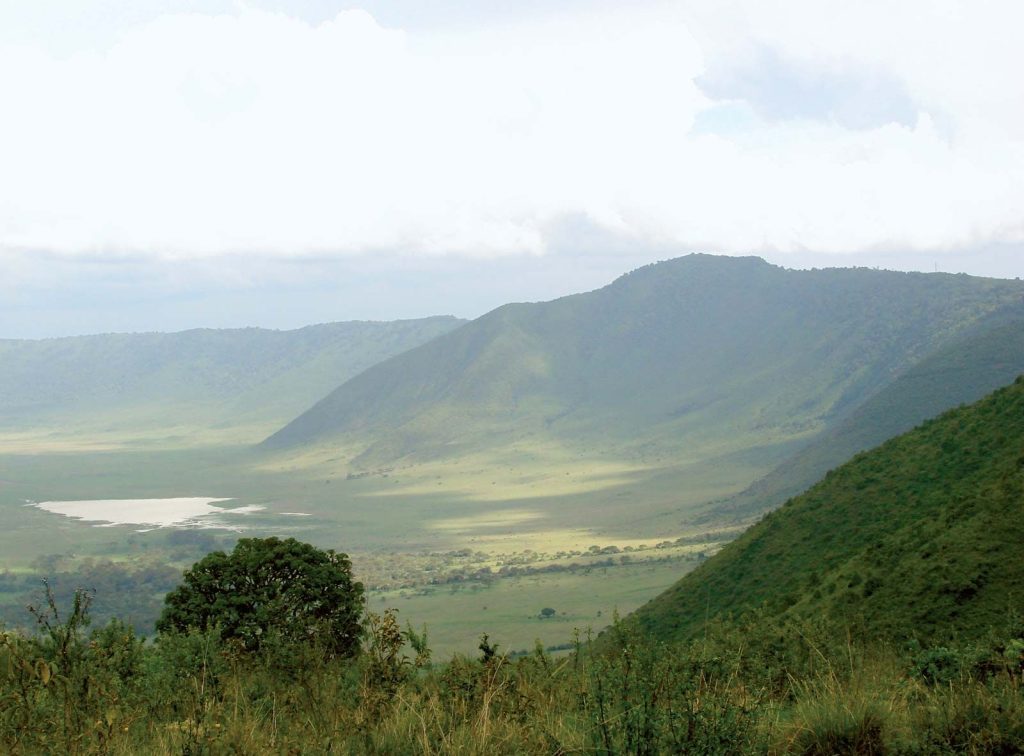
The Serengeti is one of the most famous national parks in the world. Its name originates from the Maasai word “Siringet”, which translates to “endless plains.”
Key Highlights of Serengeti:
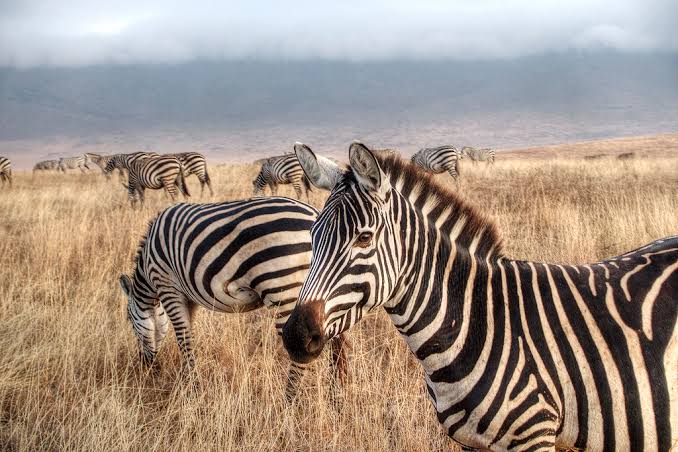
The Great Migration: Witness over 1.5 million wildebeest and hundreds of thousands of zebras moving in a continuous cycle for food and water.
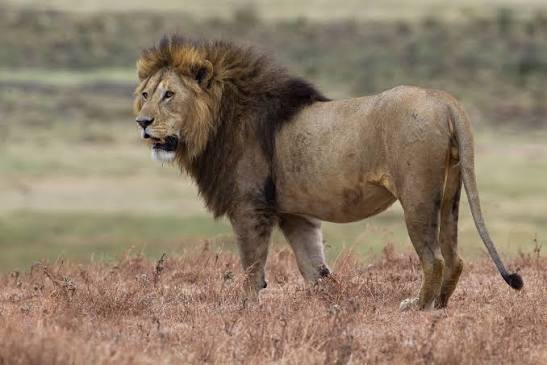
Predator Haven: One of the best places in Africa to spot lions, leopards, and cheetahs on the hunt.
True Wilderness: Its immense size offers an authentic, off-the-grid feel deep in the African bush.
Choose Serengeti if: You want a longer safari, hope to catch the Great Migration, and want to experience sprawling, untouched African savannas
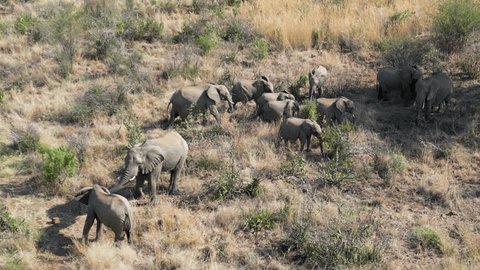
The Ngorongoro Area features the Ngorongoro Crater, the world’s largest intact, unfilled volcanic caldera. The animals here live within crater walls that rise over 600 meters high.
Key Highlights of Ngorongoro:
Effortless Game Viewing: Because the crater floor is relatively small, you can see a high volume of wildlife in a short period.
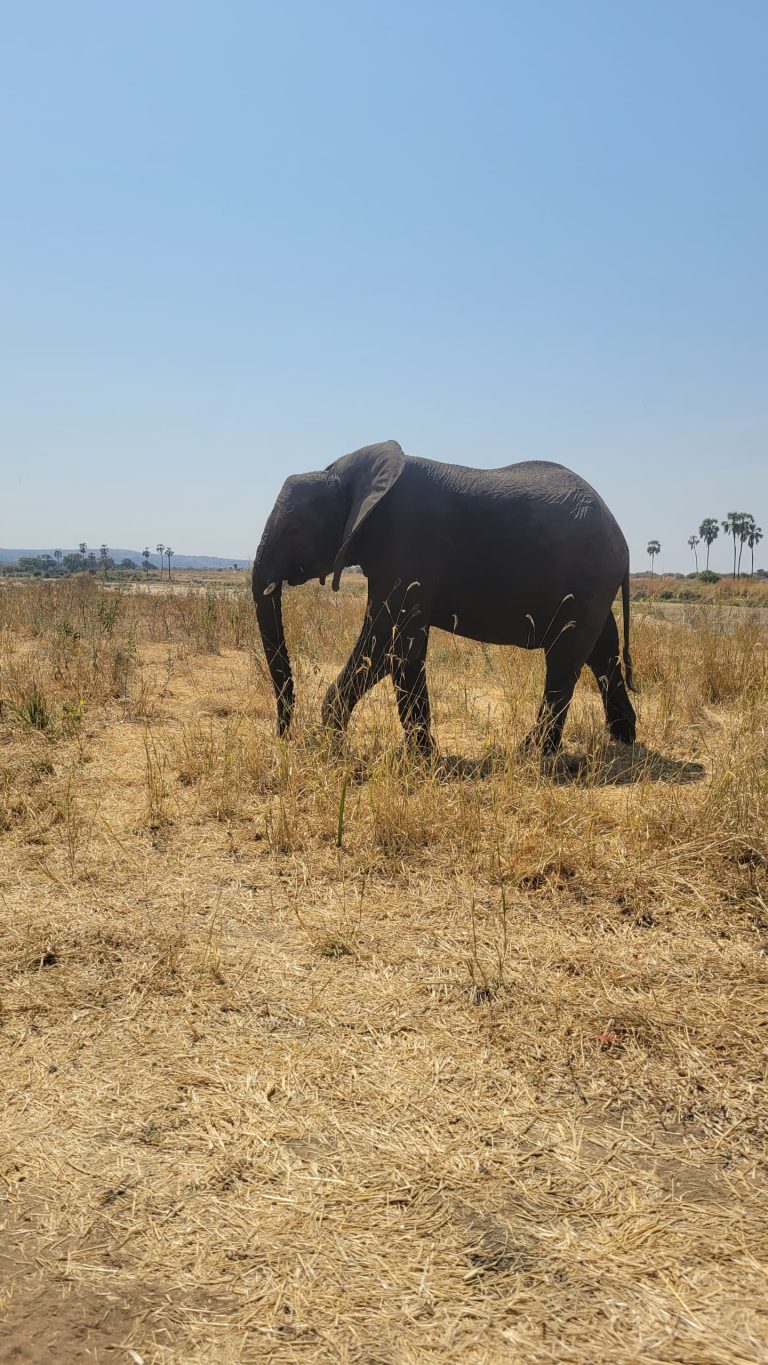
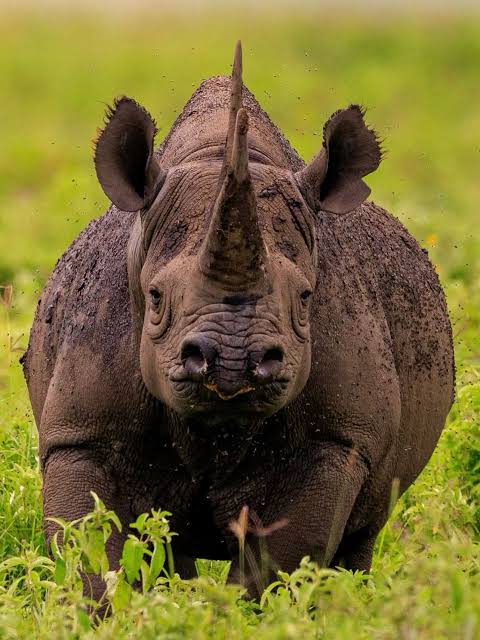
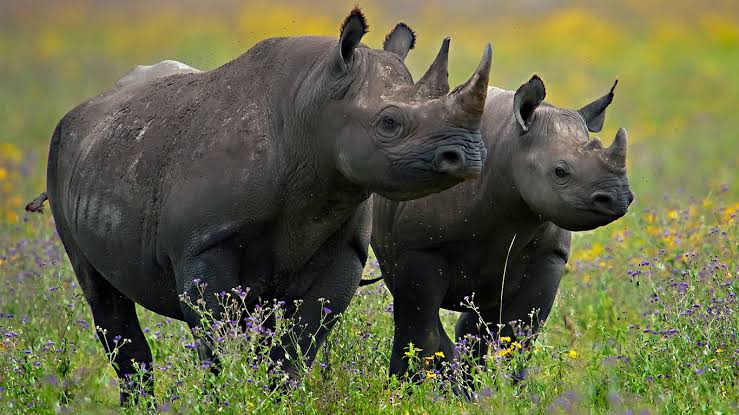
Chance to See the “Big Five”: This is your best opportunity in Tanzania to spot the rare Black Rhino, alongside lions, elephants, buffalos, and leopards.
Breathtaking Scenery: Descending into the crater offers a dramatic visual experience, featuring Lake Magadi filled with flamingos.
Choose Ngorongoro if: You have limited time (e.g., 1–2 days), want quick and abundant wildlife sightings, or specifically want to spot the black rhino.
If you have 1 to 3 days or a tight schedule: Choose Ngorongoro. You will get an action-packed safari experience without spending long hours driving between locations.
If you have 4+ days and want an immersive journey: Choose Serengeti. You’ll have the space and time to explore diverse regions and track wildlife at an unhurried pace
Yes! In fact, most travelers visiting Tanzania combine both destinations. A typical Northern Circuit safari itinerary includes a day trip to the Ngorongoro Crater followed by several days exploring the vast Serengeti
Contact us today, and let us design a customized itinerary tailored to your time and budget!
1. Which destination is best for spotting the “Big Five”?
Ngorongoro Crater is your best option for seeing all of the Big Five (Lions, Elephants, Buffalos, Leopards, and Black Rhinos) in a single day. The endangered Black Rhino is much easier to spot inside the compact crater than in the vast plains of the Serengeti.
2. When does the Great Migration take place in the Serengeti?
The Wildebeest Migration happens year-round throughout the Serengeti, but their location changes depending on the season:
January – March: Southern Serengeti (Ndutu) for the calving season.
May – July: Western Serengeti (Grumeti River area).
August – October: Northern Serengeti (crossing the Mara River toward Masai Mara).
3. How far is Ngorongoro from Serengeti?
From the main exit gate of Ngorongoro (Naabi Hill Gate) to the entrance of Southern Serengeti is approximately a 1 to 2-hour drive, as the two conservation areas border each other.
3. How far is Ngorongoro from Serengeti?
From the main exit gate of Ngorongoro (Naabi Hill Gate) to the entrance of Southern Serengeti is approximately a 1 to 2-hour drive, as the two conservation areas border each other.
4. What is the best time of year to visit Serengeti and Ngorongoro?
The dry season (June to October) offers the best wildlife viewing because grasses are short and animals gather around water sources. However, the green/wet season (November to May) is fantastic for bird watching, lush scenery, and lower safari rates
5. How many days do I need to visit both parks?
We recommend at least 4 to 5 days to fully experience both destinations (1 day in Ngorongoro Crater and 3–4 days exploring different areas of the Serengeti) without feeling rushed
6. Are these safaris suitable for children?
Yes! Both destinations are family-friendly and safe for kids. Ngorongoro is particularly great for young children because it requires less driving time to spot abundant wildlife.